

Imagine finding stale bread on your breakfast table. What would you do? For most people, it’s nothing more than worthless food waste. But in the hands of a group of innovators in Montreal, that same bread can be turned into sour fruit beer, or even gin infused with lime.
This is the new world where food waste is no longer seen as garbage, but the beginning of a more meaningful story. Let’s dive into 8 circular economy ideas that are redefining food waste across the globe in unconventional ways.
1. LOOP Mission – Juices Made from Food Waste
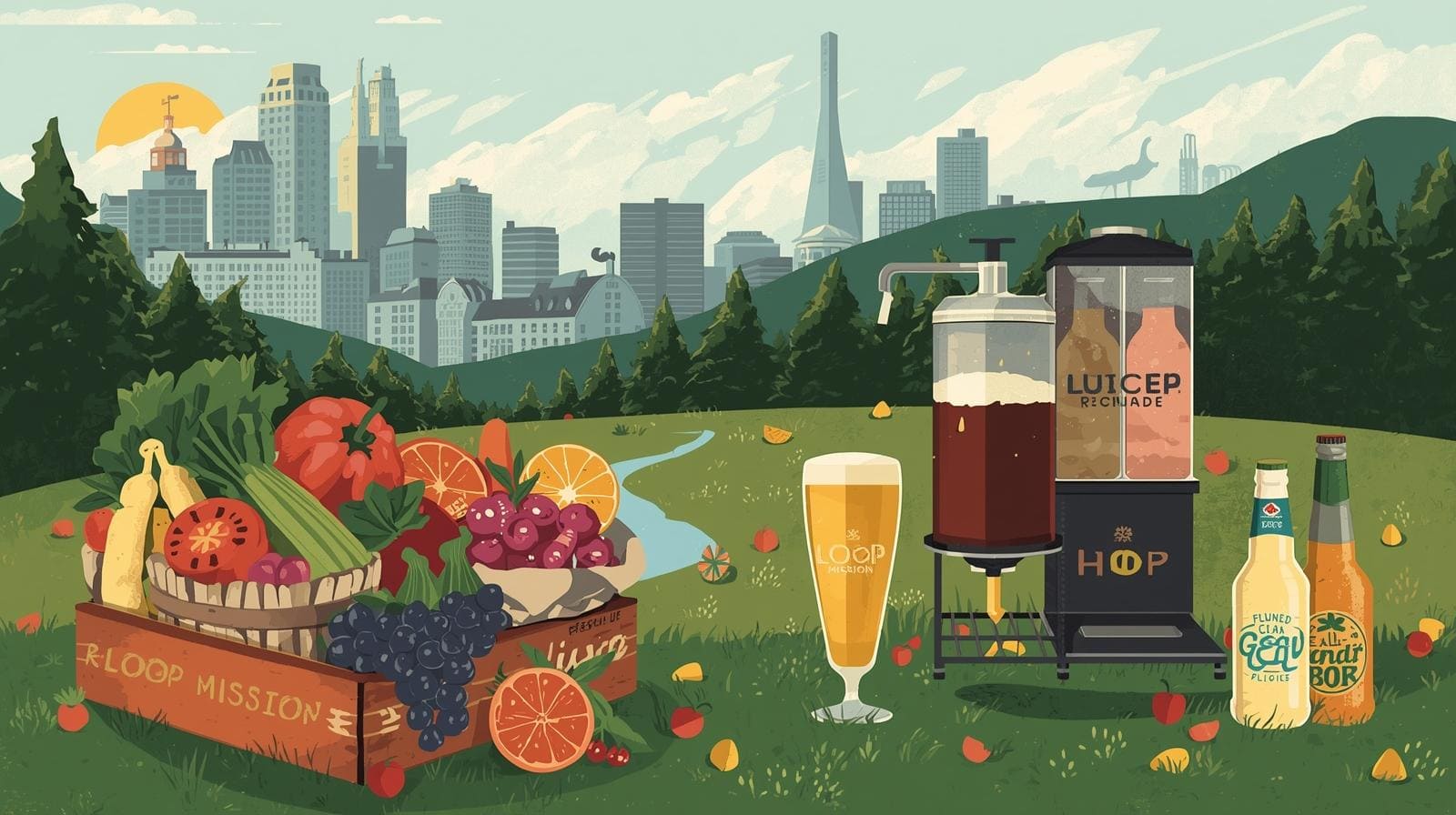
In Montreal, Canada, LOOP Mission was born from a bold idea: saving “ugly” but perfectly edible fruits and vegetables. They branded themselves as the Rescue Squad. Using a process called pascalization, a sterilization method by high pressure, they transform rescued produce into cold-pressed juices.
Beyond juices, LOOP has crafted unique beers and even alcoholic drinks made from day-old bread. This circular economy ideas is very innovative.
The impact? LOOP has prevented 2,580 tons of greenhouse gas emissions, saved 271 million liters of water, and rescued 835,000 loaves of bread from being wasted. Even surplus cooking oil gets repurposed into soap. LOOP proves that “imperfection” can be a golden opportunity.
2. Wize Monkey – Coffee Leaf Tea
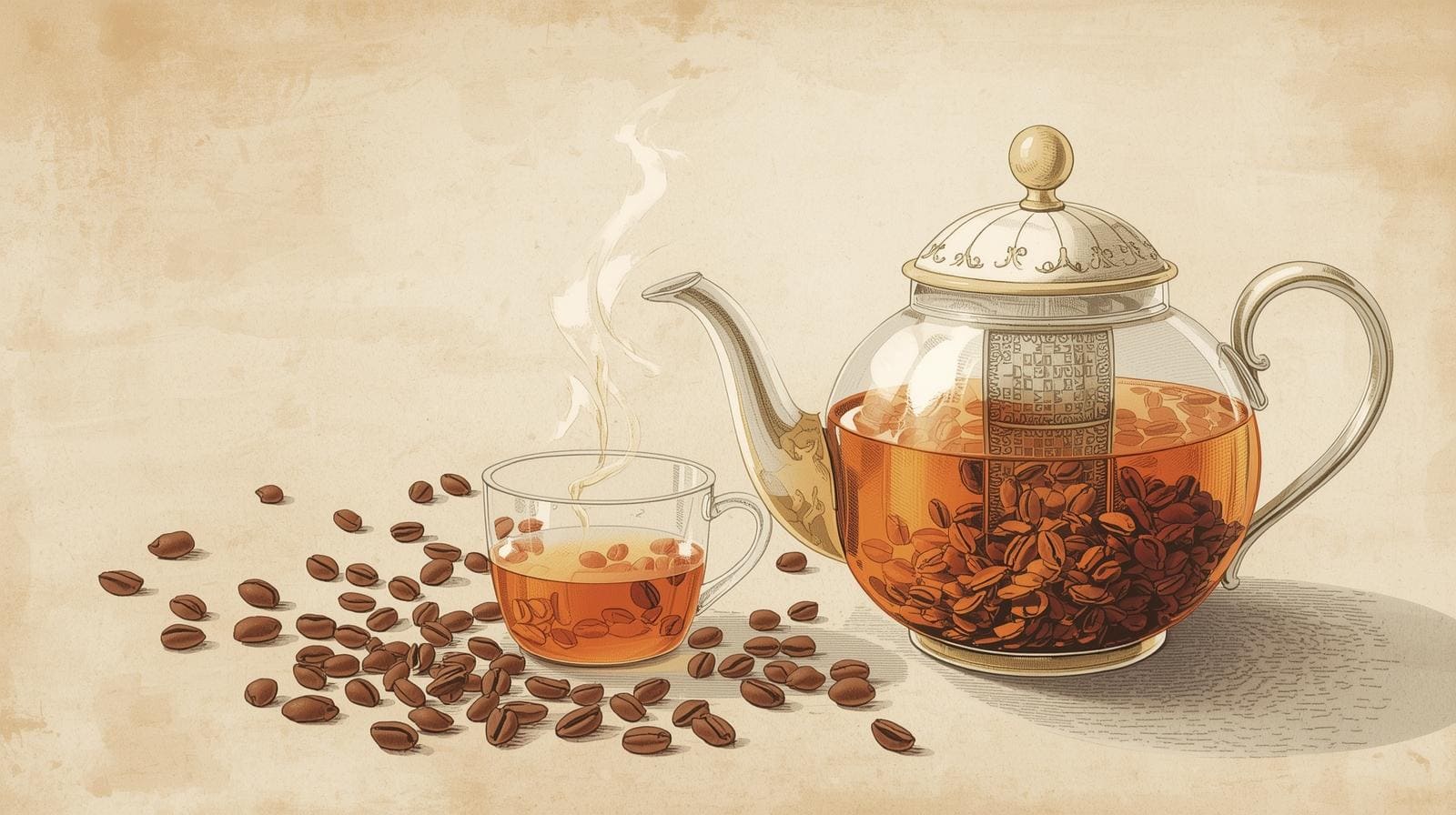
What if coffee leaves, usually left to wither on the ground, could be brewed like Jasmine or Earl Grey tea? That’s the ingenious idea behind Wize Monkey, based in Vancouver.
Their Coffee Leaf Tea isn’t just a healthy drink. it’s a source of year-round income for farmers, who typically only work during the coffee harvest. This stability means children can continue schooling, families don’t have to migrate for work, and local economies grow stronger.
All of this stems from one simple idea: don’t let coffee leaves go to waste.
3. Big Wheel Burger – French Fries Fueling the Road
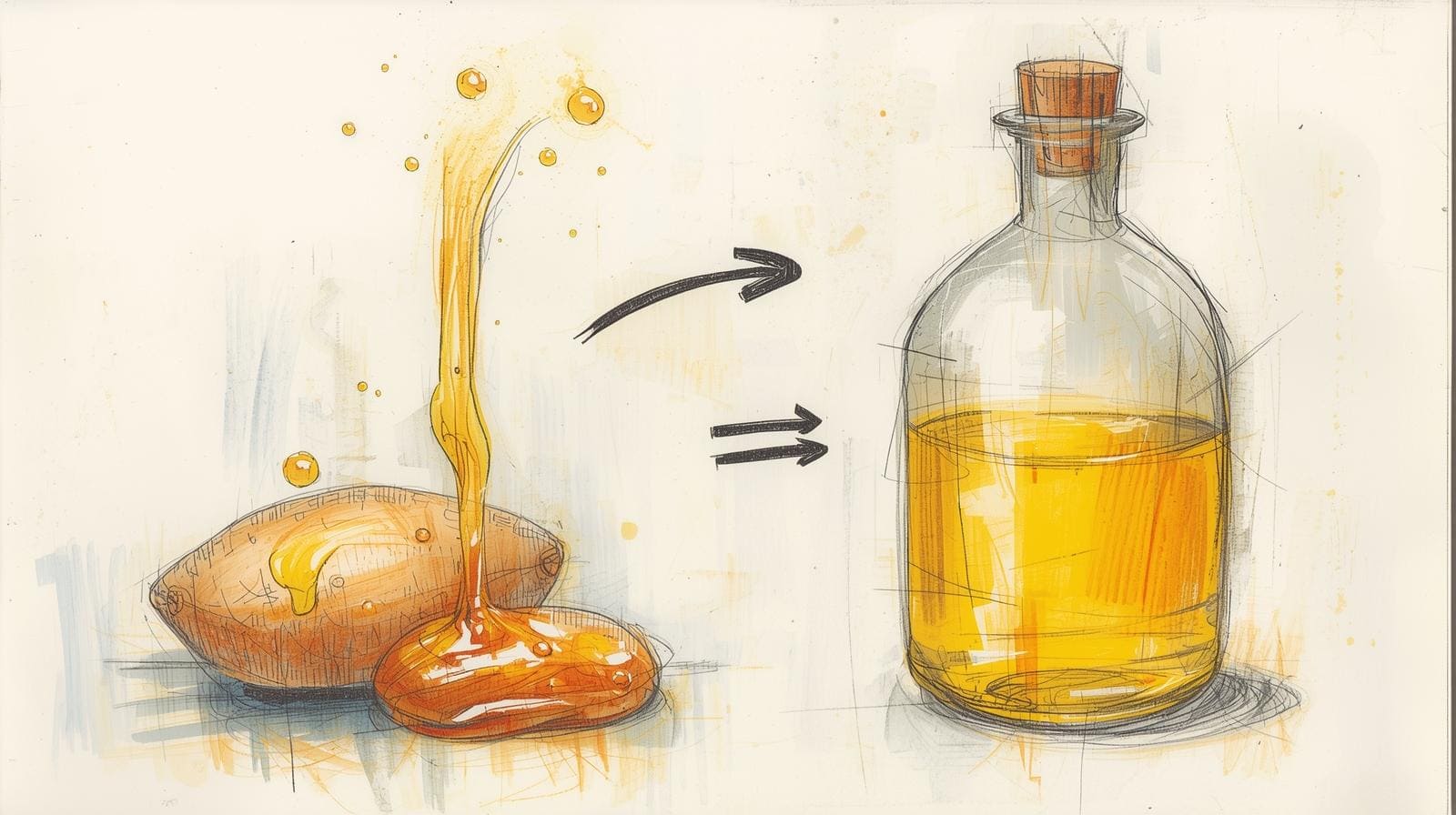
On Vancouver Island, Big Wheel Burger calls itself the first carbon-neutral fast-food chain. How? By turning used french fry oil into biodiesel, thanks to a partnership with Cowichan Biodiesel.
The burgers stay delicious, but the real magic is that trucks on the road are running on recycled french fries. They also use compostable packaging, support the Food Eco District initiative, and ensure single-use plastics end up in gardens, not landfills.
4. Renewal Mill – Okara, the Tofu Byproduct Turned Superfood
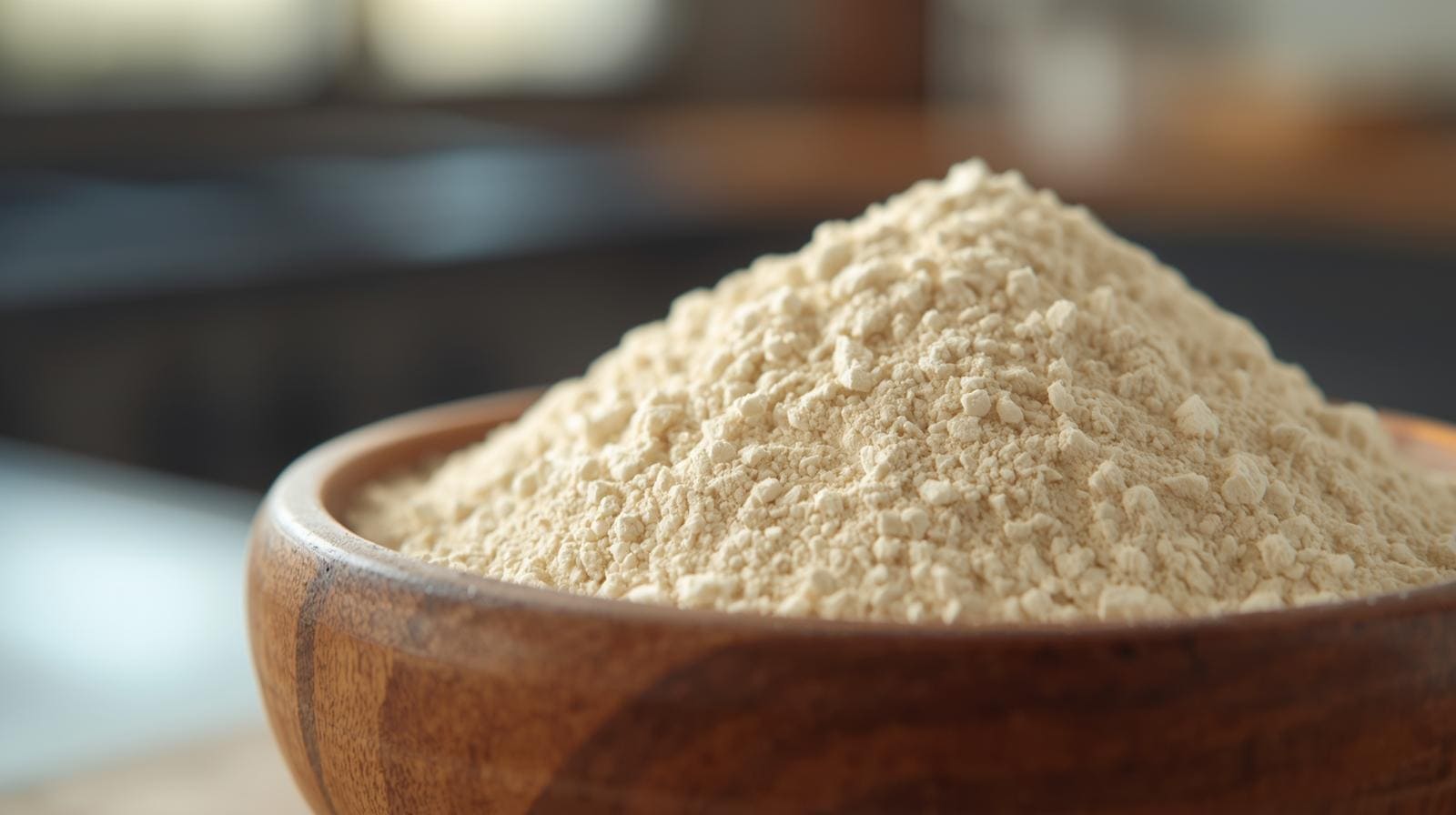
Every time tofu or soy milk is made, a soybean pulp called okara is left behind. In the U.S., it’s often discarded. Renewal Mill in Oakland, however, dries and processes okara into a high-protein flour that becomes pancakes, chocolate chip cookies, and even pasta.
They call their approach co-location, partnering directly with tofu producers so waste becomes a new source of income.
Read more: Indonesia’s Wood Pellet Exports at Risk as South Korea Ends Biomass Energy Support
5. ReGrained – Nutritious Snacks from Beer Waste
For every six-pack of beer brewed, about a kilo of nutrient-rich grain remains. ReGrained saw this not as waste, but as a treasure. They created SuperGrain+, used to make high-protein, high-fiber snack bars.
Backed by the USDA, ReGrained developed a patented process to transform brewing leftovers into nutritious food. From beer tanks to supermarket shelves—all starting with what was once considered waste.
6. Copia – Turning Surplus Food into Hope
How much leftover food from weddings or office meetings ends up in the trash? Copia sees this as a logistics problem, not a food problem.
Their innovation is a digital platform connecting restaurants and hotels with nonprofits in need. The results: full bellies instead of overflowing landfills, tax incentives for donors, and high-quality meals reaching those who need them most.
By making food redistribution efficient, Copia shows how technology can amplify kindness and reduce waste simultaneously.
7. Hodo Foods – Renewal Mill’s Partner in Upcycling
Near Renewal Mill is Hodo Foods, an organic tofu producer that supplies okara for upcycling. Hodo ensures that 100% of its raw materials are used, starting from carefully sourced soybeans, eco-friendly tofu production, to sustainable product distribution.
This approach not only minimizes waste but also creates added value from byproducts, offering high-quality plant-based food while building a circular economy ecosystem from kitchen to market.
8. Vitoma – Transforming Food Waste into Sustainable Fish Feed
In Indonesia, tackling food waste is urgent. A Bappenas study (2000–2019) estimated 23–48 million tons of food lost and wasted annually, about 115–184 kg per person per year, causing Rp 213–551 trillion in economic losses.
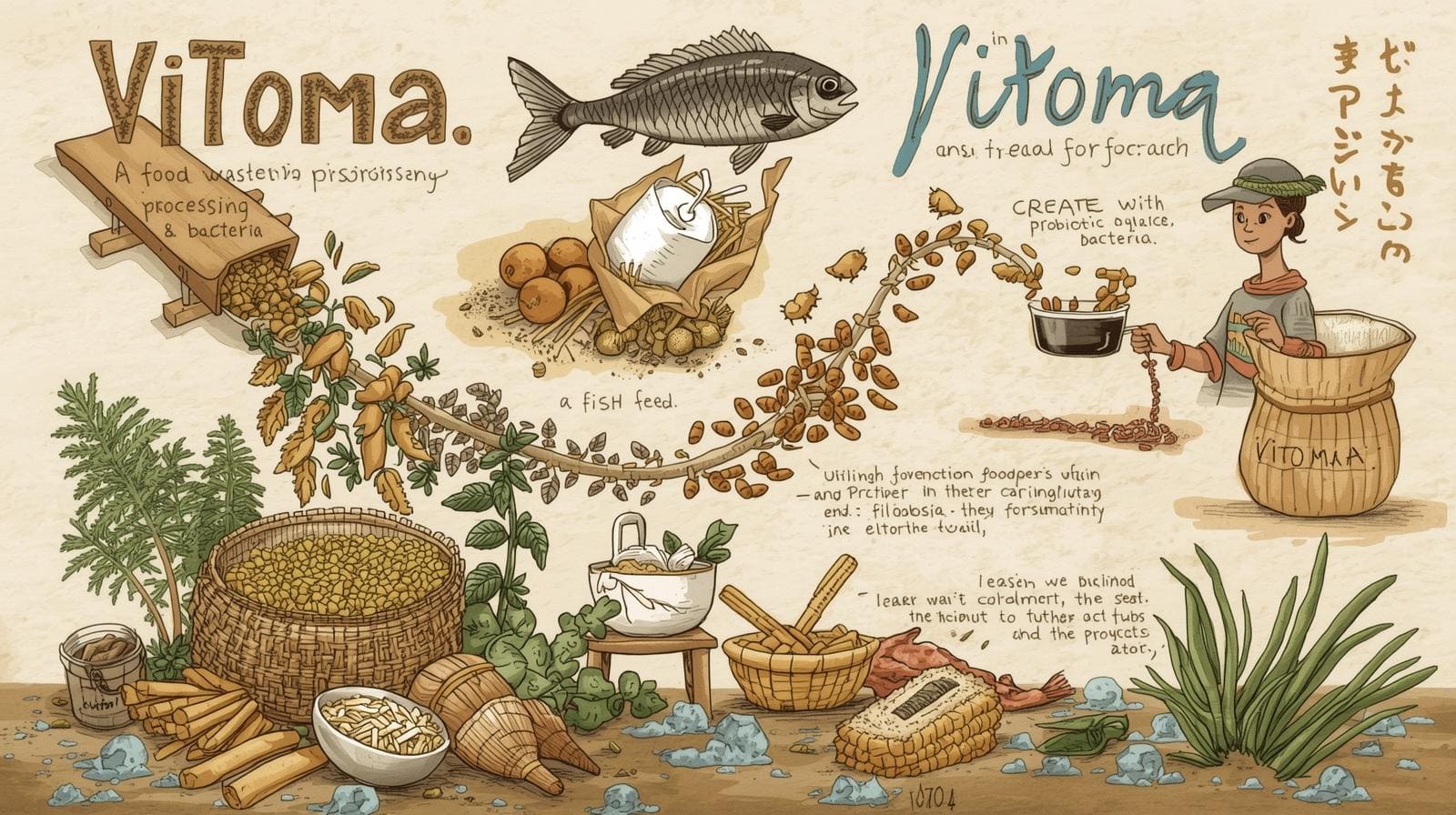
Vitoma provides a local solution by fermenting non-edible food waste into affordable fish feed. This keeps organic waste out of landfills, supports fish farmers with low-cost feed, and reduces methane emissions.
Vitoma proves that circular economy solutions can emerge from rural challenges while directly benefiting coastal communities and fish farmers.
What Can We Do?
These eight stories prove that food waste is only a myth when viewed through the lens of creativity. From coffee leaves turned into tea, to stale bread transformed into gin, to cooking oil fueling trucks, each example shows the power of imagination.
Now the question is: if other countries can turn tofu pulp into pancakes, why are banana peels in Indonesia still ending up in the trash? Maybe it’s time we create our own unconventional innovations.
Join the Angphot community and learn modern farming while becoming a key player in climate mitigation through ANGPHOT Page. Explore the details on our page, and don’t miss out on our innovative agricultural products made from food waste management and hydroponics, along with creative works in the Angphot Catalog.

